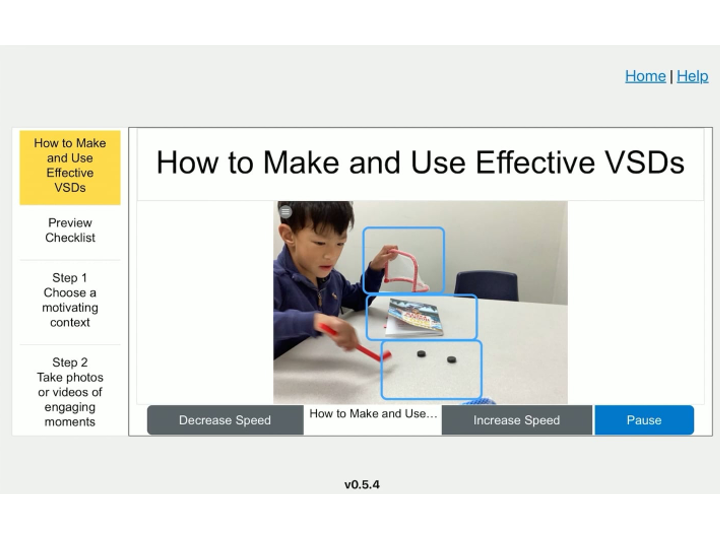
How to Make and Use Effective VSDs
– AAC user: beginning communicators
– Communication partner: preservice speech-language pathologists
– Target skill: implement visual scene displays
– AAC user: beginning communicators
– Communication partner: preservice speech-language pathologists
– Target skill: implement visual scene displays
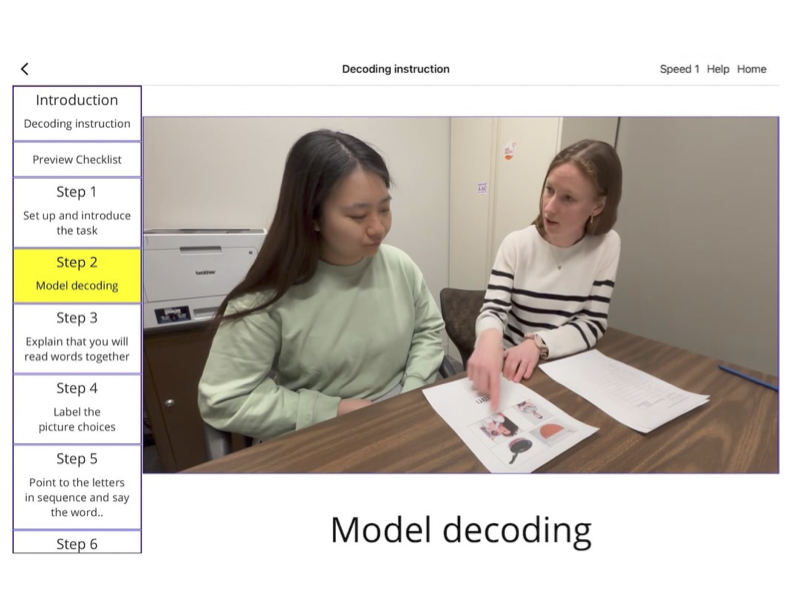
– AAC user: individuals with early literacy skills
– Communication partner: preservice speech-language pathologists
– Target skill: providing decoding instruction to people who use or benefit from AAC
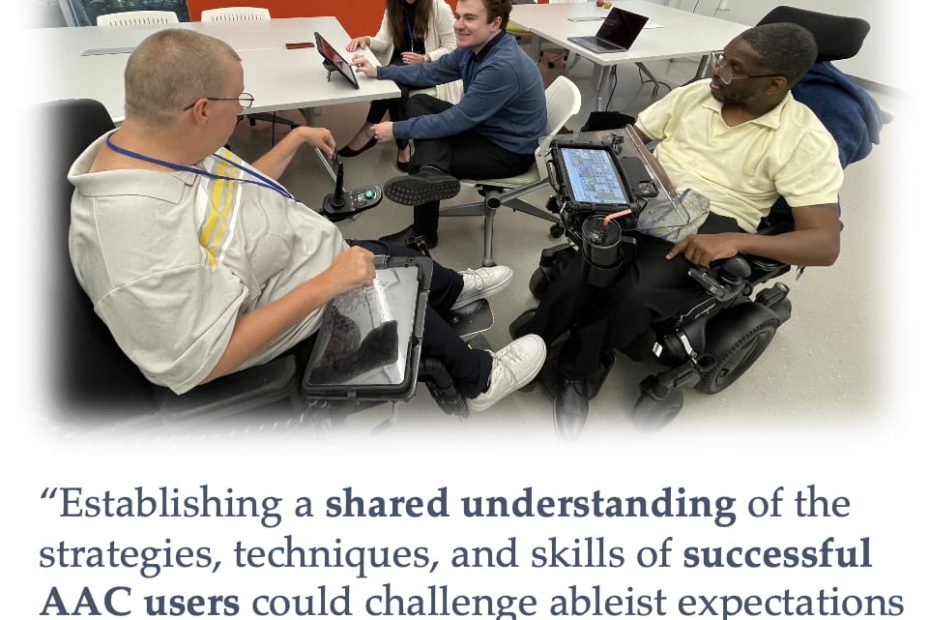
Grant Blasko Grant Blasko is a young adult nonspeaking autistic student and part of the Summit’s Organizing Committee. He is a University of Washington DO-IT Scholar, an active member of TASH’s National Communication Access Workgroup,…
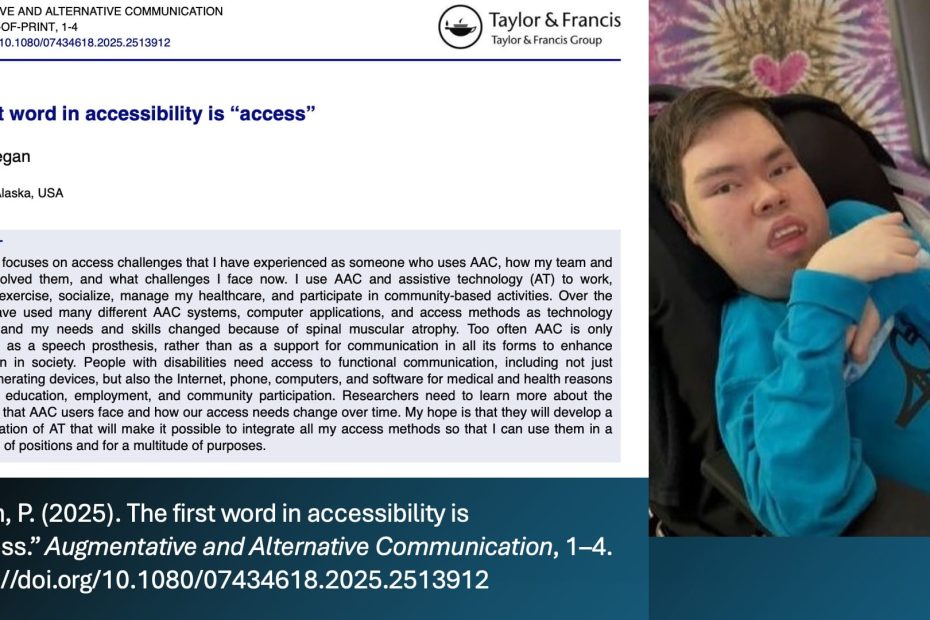
by Patrick Regan Patrick Regan Patrick Regan has been an AAC user for more than 27 years. He experiences Spinal Muscular Atrophy Type 2, and he received his first speech-generating device a few…
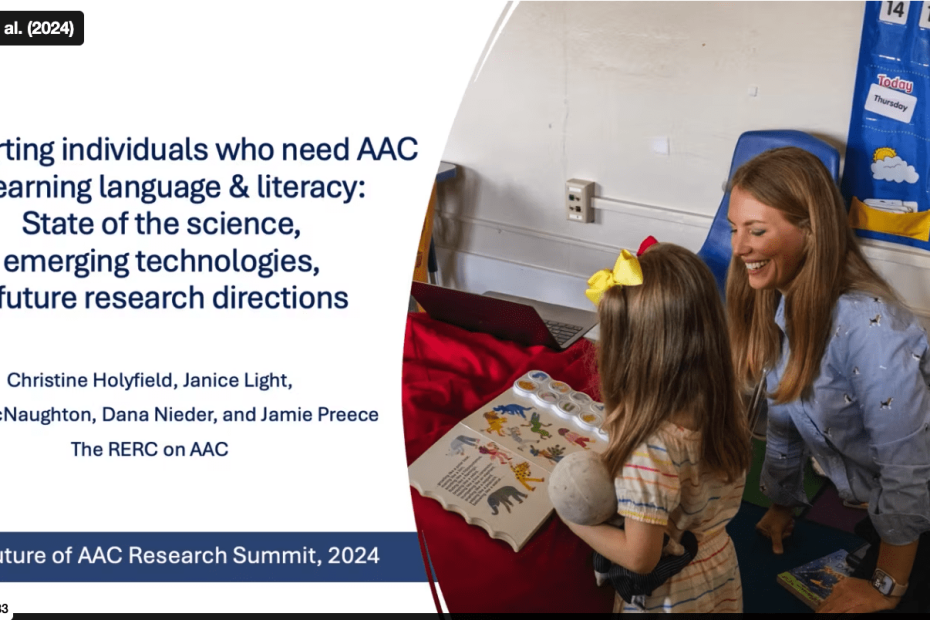
Holyfield and colleagues present current research, and identify needed technical development, for supporting individuals who need AAC in learning language and literacy
AAC Colloquium is a weekly series of informal presentations on AAC by (and for) the Penn State AAC community. Both students and faculty are welcome to organize a session, please contact Beth Frick Semmler (bfs5682@psu.edu)…
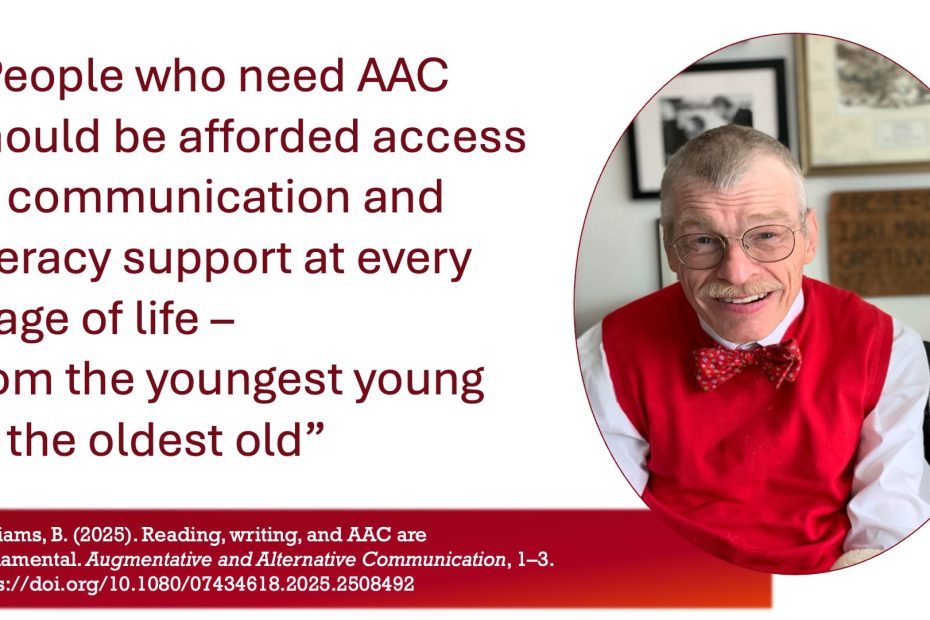
Bob Williams describes barriers to literacy for people who need and use AAC.
Creative uses of a visual scene display (VSD) approach to supporting communication
Free ePrint available
Light and McNaughton apply the framework proposed by the International Classification of Functioning, Disability and Health (ICF) to illustrate the need to re-think AAC intervention to improve outcomes for individuals with complex communication needs, and to foster a new generation of intervention research that will provide a solid foundation for improved services. Specifically, the paper emphasizes the need to take a more holistic view of communication intervention and highlights the following key principles to guide AAC intervention and research: (a) build on the individual’s strengths and focus on the integration of skills to maximize communication, (b) focus on the individual’s participation in real-world contexts, (c) address psychosocial factors as well as skills, and (d) attend to extrinsic environmental factors as well as intrinsic factors related to the individual who requires AAC.
Beth Anne Luciani describes her experiences as a student at California University of Pennsylvania (webcast)
Kathy Drager, Janice Light, and David McNaughton provide an introduction to the use of AAC (webcast)